
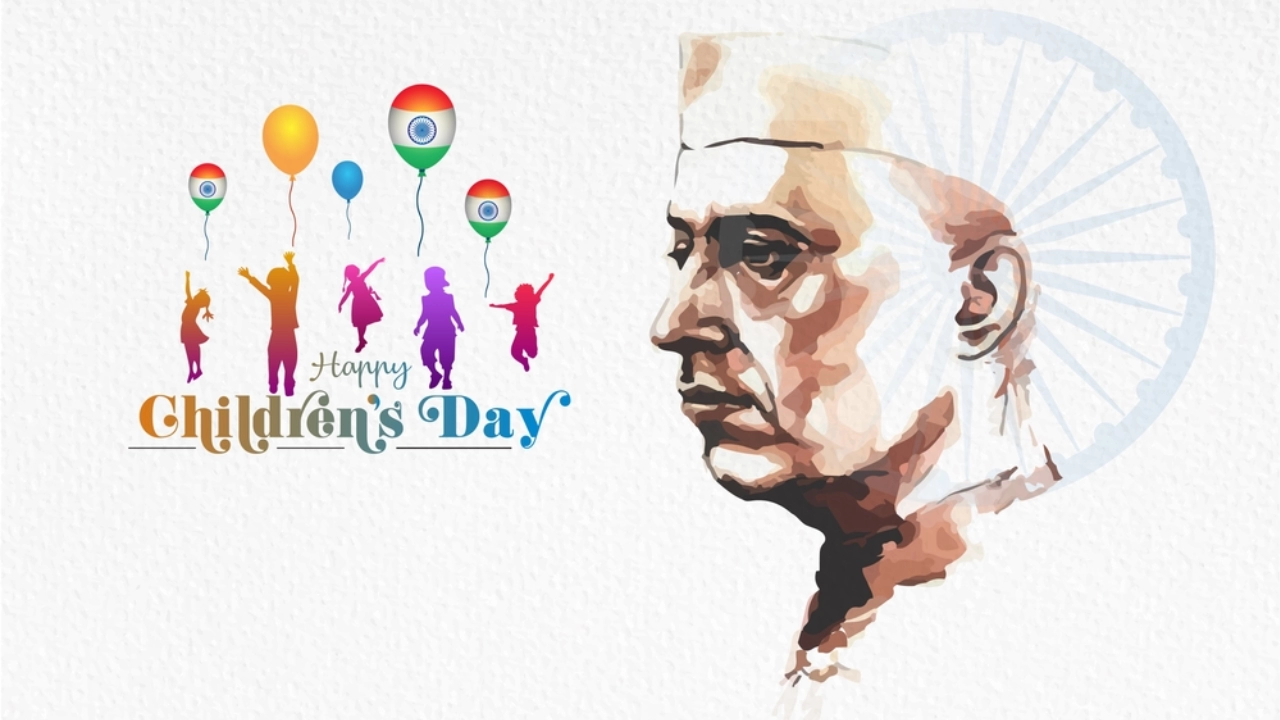
Every year on November 14, India celebrates Children’s Day, a day dedicated to honoring and recognizing the rights, well-being, and future of children. This special day marks the birth anniversary of Pandit Jawaharlal Nehru, the first Prime Minister of India, who was known for his deep affection for children and his strong belief in the power of education to shape the future of the nation. Nehru once famously said, “The children of today will make the India of tomorrow. The way we bring them up will determine the future of the country.”
Children’s Day is not only a celebration of the innocence and joy that children bring into the world but also a reminder of the collective responsibility to ensure their growth, development, and protection. On this day, various activities and events take place across the country to raise awareness about children’s rights and the importance of investing in their future.
A Day to Honor Children’s Rights and Welfare
The significance of Children’s Day goes beyond just festivities; it serves as a platform to discuss and address the challenges children face, including access to quality education, healthcare, and protection from exploitation and abuse. India, despite significant progress in areas like education and child welfare, still faces challenges related to child labor, malnutrition, and unequal access to opportunities for marginalized children.
On this day, schools, institutions, and social organizations across India come together to celebrate the joy and potential of children while also advocating for their rights. The day serves as a reminder to reaffirm the nation’s commitment to ensuring the safety, well-being, and future prospects of every child.
Pandit Nehru’s Legacy: A Vision for India’s Children
Children’s Day in India is celebrated on November 14 to honor the birth anniversary of Pandit Jawaharlal Nehru, who was deeply committed to improving the lives of children. Known as “Chacha Nehru” (Uncle Nehru) by the younger generation, he played a pivotal role in shaping policies and programs that directly benefitted children and education. Nehru’s vision for India included a focus on nurturing the young population through education, health, and overall well-being.
He believed that children were the true strength of the nation, and it was only by investing in them that India could achieve progress and prosperity. This vision led to significant reforms during his time, including the establishment of institutions dedicated to children’s welfare and the promotion of education as a fundamental right.
Today, Children’s Day serves as a tribute to Nehru’s enduring legacy and his belief in the power of children to bring about change and progress. Schools across the country organize special events, performances, and activities, all aimed at celebrating the essence of childhood and highlighting the importance of education and growth for every child.
Government Initiatives for Children’s Welfare
In line with Nehru’s vision, the Indian government has implemented numerous policies and initiatives focused on children’s welfare. Some of the most notable programs include:
- Right to Education (RTE) Act: One of the most significant steps in ensuring the education of children in India is the Right to Education Act. Enacted in 2009, the RTE Act guarantees free and compulsory education for children between the ages of 6 and 14 years. The law also mandates that private schools reserve 25% of their seats for underprivileged children, ensuring that education becomes more inclusive.
- Mid-Day Meal Scheme: The Mid-Day Meal Scheme, one of the largest school feeding programs in the world, aims to improve the nutritional status of children in schools. By providing free meals to children, this scheme not only addresses child malnutrition but also encourages school attendance, particularly in rural areas.
- Beti Bachao Beti Padhao: The Beti Bachao Beti Padhao campaign launched by the Indian government in 2015 focuses on empowering girls through education and ensuring their safety and protection. The initiative aims to address issues such as child marriage, gender-based violence, and gender inequality by promoting the value of girls in society.
- Child Protection Schemes: The government has also launched several schemes aimed at preventing child labor, child trafficking, and child abuse. Initiatives like Childline India Foundation and National Child Protection Policy work to create safe spaces for children and ensure that they are protected from exploitation.
While these initiatives have made substantial progress, challenges remain in areas like the implementation of laws and reaching children in the most marginalized sections of society. Children’s Day serves as an important moment to reflect on these challenges and reinforce the commitment to creating an environment where every child can thrive.
Children’s Day Celebrations Across India
Children’s Day is a day of joy and celebration across India. Schools organize various cultural events, competitions, and performances. These events range from dance and music performances to debates, essay-writing competitions, and sports activities, all aimed at fostering creativity and self-expression among children. Special assemblies are held in schools, where teachers and students come together to commemorate the day and reflect on the importance of children’s rights and welfare.
Prominent figures from the world of politics, cinema, and entertainment also participate in Children’s Day celebrations, visiting schools, interacting with children, and sharing messages of encouragement and inspiration. These activities not only entertain but also emphasize the importance of education, social equality, and a supportive environment for children’s growth.
Challenges Faced by Children in India
Despite the numerous efforts and policies aimed at improving the lives of children, challenges persist.
- Child Labor: One of the most pressing issues is child labor. According to various reports, millions of children in India continue to work in hazardous conditions, often in factories, agriculture, or domestic work. The Child Labor (Prohibition and Regulation) Act and the Right to Education Act are steps in the right direction, but enforcement of these laws remains a major concern.
- Access to Quality Education: Although India has made remarkable strides in increasing literacy rates, the quality of education remains uneven. Children in rural areas or underprivileged communities often lack access to quality education, trained teachers, and basic educational resources. The disparity between urban and rural education is a critical challenge that needs to be addressed.
- Malnutrition and Health Issues: According to the Global Hunger Index, India continues to face high levels of malnutrition, particularly among children. Many children suffer from stunting, wasting, and undernutrition, which have long-term consequences on their physical and cognitive development.
A Collective Responsibility
Children’s Day is a reminder that the future of India lies in the hands of its children. It is our collective responsibility—of the government, society, and every individual—to ensure that every child receives the care, education, and protection they deserve. The progress made in children’s welfare over the years is commendable, but much work remains to be done to address the remaining challenges.
On this Children’s Day, let us reaffirm our commitment to creating a world where every child can grow, learn, and thrive—free from fear, exploitation, and discrimination. By investing in children today, we are securing the future of India tomorrow.