
As the cold weather sets in, many people experience fluctuations in their blood pressure. For those suffering from high blood pressure, winter can be particularly challenging. During this time, the immune system weakens, and individuals may experience joint pain, asthma, and other common symptoms. Those with heart conditions, in particular, need to take extra precautions during the colder months. Understanding why blood pressure tends to rise in winter and how to manage it can help reduce health risks.
Why Does Blood Pressure Fluctuate in Winter?
As the temperature drops, the blood vessels in the body constrict in response to the cold. This natural response to the chill helps the body retain heat, but it also causes the heart to work harder to circulate blood. The narrowing of blood vessels increases resistance to blood flow, which can result in elevated blood pressure. When blood pressure rises, the risk of heart disease increases, making it particularly dangerous for individuals over the age of 60. Furthermore, during winter, physical activity tends to decrease, and the resulting sedentary lifestyle can contribute to higher blood pressure levels.
In addition to the cold, many people consume more unhealthy foods during the winter months, contributing to weight gain, which can also raise blood pressure. The combination of these factors makes winter a critical time for individuals with hypertension or heart disease to monitor their health closely.
How to Keep Blood Pressure in Check During Winter
While winter weather can exacerbate high blood pressure, there are several strategies people can follow to manage their health and avoid serious complications.
1. Maintain a Healthy Diet
One of the most effective ways to manage high blood pressure is through a proper diet. In winter, focus on eating seasonal vegetables and fruits, which can help regulate blood pressure. Vegetables like spinach, carrots, and kale, along with fruits like oranges, apples, and pears, are rich in nutrients that support heart health. Additionally, avoid foods that are high in salt, saturated fats, and sugar, such as fried foods, processed snacks, and fast foods, which can increase blood pressure levels.
Reducing the intake of processed foods and focusing on a more balanced diet can significantly help in maintaining healthy blood pressure throughout the colder months.
2. Exercise Regularly
Physical activity is crucial in managing high blood pressure, but winter can make it more difficult to stay active. For those with hypertension, it’s important to exercise safely during the winter months. Rather than going outside to exercise in the cold, it’s advisable to work out indoors. Low-impact activities such as walking on a treadmill, swimming in a heated pool, or practicing yoga can be excellent alternatives.
Weight training or cardio exercises that focus on heart health should be performed at a moderate pace, as pushing the body too hard in extreme cold can lead to unnecessary stress on the cardiovascular system. Always listen to your body and avoid overexertion.
3. Monitor Your Blood Pressure Regularly
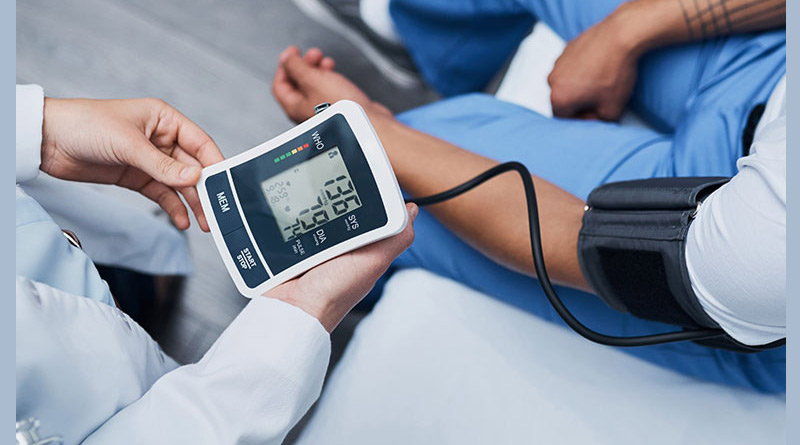
Individuals with heart conditions or hypertension should keep a close eye on their blood pressure during winter. Regular monitoring can help detect any significant fluctuations early on. Many people prefer to use home blood pressure monitors, but it’s always a good idea to consult with a healthcare provider for more accurate readings and advice.
If you notice any unusual changes in your blood pressure or feel unwell, it is important to seek medical advice immediately. High blood pressure can lead to complications such as heart attacks or strokes if not managed properly.
4. Dress in Layers
While it’s essential to keep warm during the winter, it’s also important not to overdo it by wearing overly heavy clothing, which can restrict blood flow. Instead, layer your clothing, so you can easily remove or add layers based on how your body is feeling. Wearing multiple layers helps to regulate body temperature, and if you begin to feel too hot, you can remove a layer to prevent overheating. This approach allows for flexibility, especially for those with blood pressure issues.
5. Limit Caffeine and Alcohol Consumption
Winter often leads people to indulge in more hot drinks like tea and coffee, but excessive consumption of caffeine can cause a rise in blood pressure. Many people unknowingly consume up to five or six cups of coffee per day during the winter, which can contribute to increased blood pressure levels.
It’s important to limit your intake of caffeine during the colder months. Opt for herbal teas, decaffeinated coffee, or warm water with lemon. Similarly, while alcohol might seem appealing during the holiday season, excessive drinking can also raise blood pressure. Consume alcohol in moderation, and avoid binge drinking.
6. Stay Hydrated
In winter, people often feel less thirsty, which can lead to reduced water intake. However, staying hydrated is critical for maintaining healthy blood pressure levels. When the body is dehydrated, the blood becomes thicker, which can put additional pressure on the circulatory system, leading to an increase in blood pressure.
To avoid dehydration, make a conscious effort to drink plenty of water throughout the day, even if you don’t feel thirsty. Drinking warm water or herbal teas can be a pleasant way to stay hydrated while also warming up your body.
7. Manage Stress Effectively
Stress can have a significant impact on blood pressure. The pressures of daily life, combined with the added stress of the winter season, can lead to spikes in blood pressure. It is essential to take time for relaxation and stress management during the colder months.
Practicing mindfulness, deep breathing exercises, or meditation can help reduce stress and prevent blood pressure from rising. In addition, engaging in enjoyable hobbies or spending time with family and friends can provide emotional support and help you manage stress more effectively.
Winter presents a unique set of challenges for people with high blood pressure or heart conditions. The cold weather, reduced physical activity, and changes in dietary habits can all contribute to increased blood pressure and other health complications. However, by following a few key strategies such as maintaining a healthy diet, exercising indoors, monitoring blood pressure regularly, staying hydrated, and managing stress, individuals can significantly reduce their risk and maintain good health during the winter months.
If you or someone you know is struggling with high blood pressure or other heart-related issues, it’s important to stay vigilant during the colder season and make the necessary adjustments to your lifestyle to stay healthy and safe.