

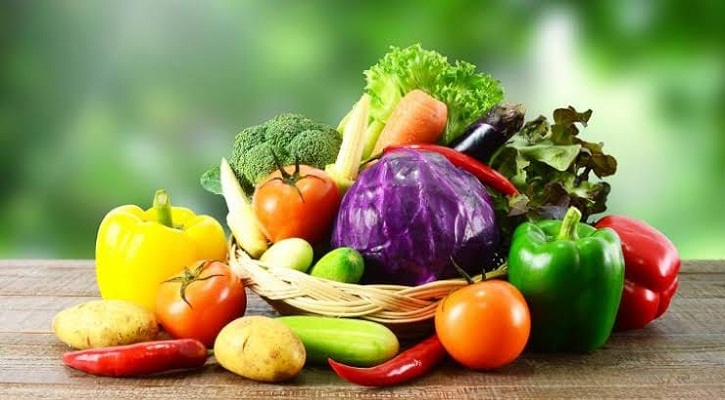
In a shocking revelation, the Food Safety and Standards Authority of India (FSSAI) has reported that artificial colors are being extensively used to make vegetables appear fresh. Vegetables stored in cold storage for long periods or those beginning to rot are often treated with synthetic dyes to give them a deceptive fresh look. This unethical practice, which extends to winter vegetables such as green peas and leafy greens, poses severe health risks, particularly to the liver and kidneys.
Why Are Artificial Colors Used in Vegetables?
FSSAI has identified two primary reasons for the increasing use of artificial colors in vegetables:
- Preventing Rapid Spoilage – Traders mix synthetic colors to make the vegetables look fresh, even if they have started decomposing. This helps vendors sell old vegetables without detection.
- Prolonging Fresh Appearance – These colors ensure that vegetables maintain their natural green color for an extended period, making them appear as if they were recently harvested. The use of synthetic colors is even more rampant for vegetables transported across states, as these take longer to reach their destinations.
Since artificial colors are applied in a way that makes them nearly indistinguishable from natural vegetable hues, consumers often fail to recognize whether they are buying chemically treated vegetables.
Which Vegetables Are Being Contaminated?
According to FSSAI’s findings, the most commonly affected vegetables include:
- Green peas
- Spinach
- Fenugreek leaves
- Coriander leaves
- Beans
- Cluster beans
- Cabbage
- Cauliflower
These vegetables are commonly consumed in households and restaurants, making this practice an alarming public health concern.
What Chemicals Are Used in Artificial Coloring?
Laboratory tests conducted by FSSAI have detected several harmful chemicals in artificially colored vegetables, including:
- Triarylmethane Dye
- Acid Green Dye
- Lissamine Green Dye
- Copper Sulfate (Blue Vitriol)
These synthetic chemicals are industrial-grade dyes, primarily used in textile and paper manufacturing. When consumed, they can trigger various health complications.
Health Hazards of Consuming Artificially Colored Vegetables
Medical experts warn that consuming vegetables laced with synthetic dyes can lead to severe health risks, including:
- Liver Damage: The toxic compounds in these dyes can impair liver function and lead to chronic liver diseases such as cirrhosis.
- Kidney Disorders: Regular consumption of such contaminated vegetables can impact kidney function and, in severe cases, cause kidney failure.
- Gastrointestinal Infections: The chemicals can irritate the digestive system, leading to food poisoning, diarrhea, and other stomach infections.
- Increased Risk of Cancer: Long-term exposure to these dyes has been linked to carcinogenic effects, significantly increasing the risk of developing various types of cancer.
How to Identify Artificially Colored Vegetables?
FSSAI has recommended a simple home test to help consumers detect artificial colors in vegetables. Here’s how you can check if the vegetables you buy are chemically treated:
- Take a clean glass plate and place the vegetables on it.
- Add water to the plate and let the vegetables soak for an hour.
- Observe the water: If the water remains clear, the vegetables are free from artificial colors. However, if the water turns green or any other color, it indicates the presence of synthetic dyes.
This simple test can help consumers make informed decisions and avoid buying chemically adulterated produce.
How to Avoid Buying Artificially Colored Vegetables?
To protect yourself and your family from health risks associated with synthetic dyes, follow these precautions:
- Look for Natural Appearance: Avoid vegetables that appear unnaturally bright or glossy. Real vegetables often have variations in color and texture.
- Buy from Local Farmers: Purchasing from known or trusted local farmers reduces the risk of chemically treated produce.
- Rinse and Soak Before Cooking: Wash vegetables thoroughly under running water. Soaking them in saltwater or vinegar can help remove surface contaminants.
- Rub with Hands: Gently rubbing vegetables with a damp cloth can help detect any artificial color, as some dyes may come off.
Government Measures and Regulations
The FSSAI and state food safety departments are ramping up inspections in markets to identify and penalize traders involved in this malpractice. Several cases have already been reported where traders were caught selling chemically adulterated vegetables, leading to legal action.
However, despite regulatory measures, consumer awareness remains the most effective tool in combating this issue. Regular inspections alone cannot entirely eliminate the problem unless consumers take the initiative to identify and reject artificially colored vegetables.
The use of artificial colors in vegetables is a dangerous practice that threatens public health. While authorities are taking steps to curb this menace, it is crucial for consumers to remain vigilant. By performing simple home tests, buying from trusted sources, and avoiding unnaturally bright vegetables, we can minimize the risk of consuming chemically adulterated produce.
Staying informed and cautious can help protect you and your family from the harmful effects of food adulteration. Always choose freshness over deception—because when it comes to health, prevention is better than cure.