

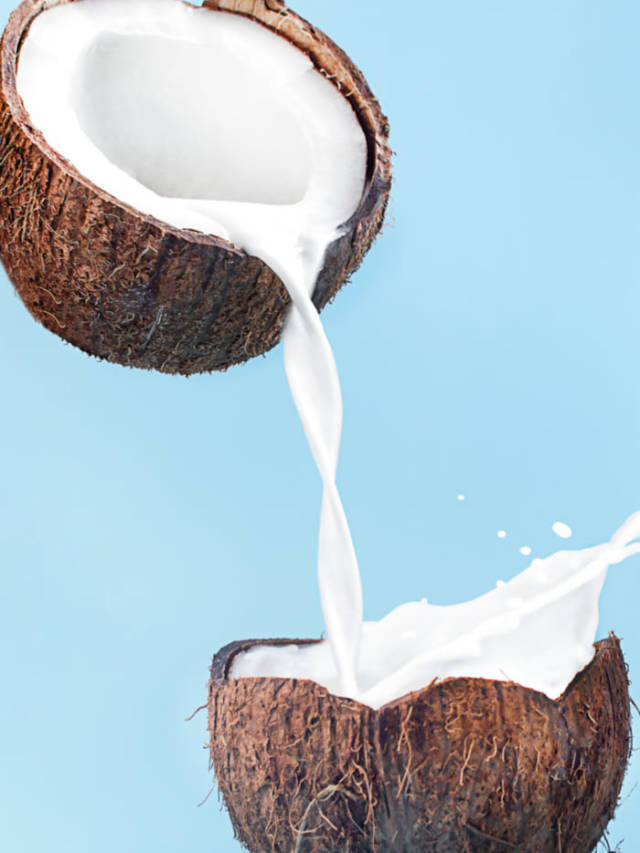
Beyond the sun-kissed beaches and swaying palms, a culinary treasure lies nestled within the humble coconut: its milk. This isn’t the watery juice you find when cracking open a fresh coconut; rather, it’s a rich, opaque elixir extracted from the grated flesh, a true chameleon of the kitchen.
For centuries, coconut milk has been a cornerstone of cuisines across Southeast Asia, the Pacific Islands, and beyond. Its unique composition, a delicate emulsion of water, oil, and plant compounds, lends it a remarkable versatility that transcends cultural boundaries.
A Culinary Canvas:
Coconut milk’s magic lies in its ability to seamlessly transition between sweet and savory dishes. In savory creations, it lends a velvety texture and subtle sweetness, balancing spicy heat and acidic tang. Think fragrant Thai curries, rich Indian kormas, or the hearty Brazilian moqueca. Its inherent creaminess eliminates the need for dairy, making it a godsend for vegan and lactose-intolerant cooks.
In the realm of desserts, coconut milk transforms into a decadent base for custards, puddings, and ice creams. Its natural sweetness requires minimal added sugar, and its tropical aroma adds an exotic twist to familiar treats. Imagine the silky smoothness of a coconut panna cotta, the refreshing chill of coconut sorbet, or the comforting warmth of a coconut rice pudding.
Beyond the Kitchen:
The benefits of coconut milk extend beyond its culinary applications. Its rich lauric acid content, a medium-chain fatty acid, is believed to possess antimicrobial and anti-inflammatory properties. Traditional medicine systems have long recognized its potential for promoting skin health and digestive well-being.
Furthermore, coconut milk is a source of essential minerals like manganese, iron, and magnesium. These nutrients play crucial roles in bone health, energy production, and nerve function.
Choosing and Using Coconut Milk:
When selecting coconut milk, opt for varieties with minimal additives. Look for those with a high coconut extract percentage for a richer flavor and creamier texture. Canned coconut milk typically separates, with the thicker cream rising to the top. This separation is perfectly normal; simply shake or stir the can thoroughly before use.
For a lighter version, choose “light” coconut milk, which contains a higher water content. However, be mindful that lighter versions often contain added thickeners.
Embracing the Coconut’s Gift:
Coconut milk, in its unassuming elegance, offers a world of culinary possibilities. Its creamy texture, subtle sweetness, and unique nutritional profile make it a valuable ingredient in both traditional and modern kitchens. Whether you’re seeking to create a comforting curry, a refreshing dessert, or simply explore the flavors of the tropics, coconut milk provides a versatile and delicious foundation. It’s a reminder that sometimes, the most extraordinary treasures are hidden in the most unexpected places.