
Imagine a world where your blood type doesn’t matter. Where hospitals don’t panic over rare blood group shortages. Where accident victims don’t wait hours for a matching donor. That future might be closer than we think—thanks to an extraordinary medical breakthrough from Japan.
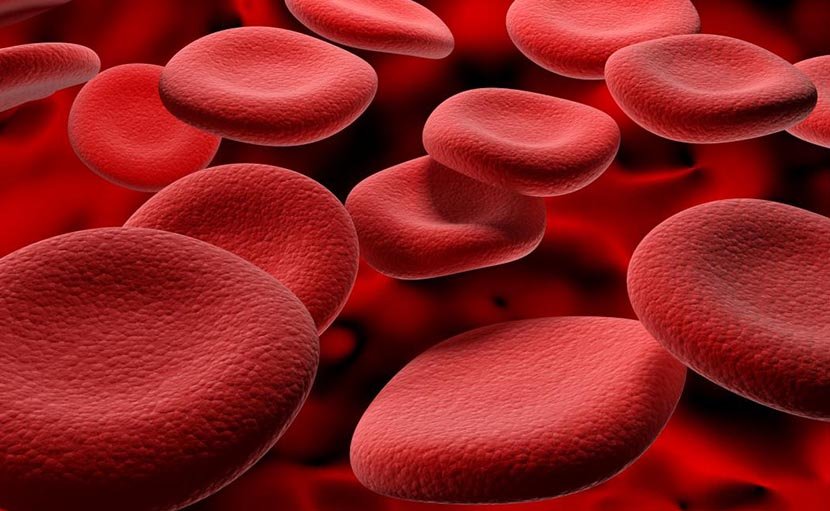
In a landmark medical development, scientists at Nara Medical University in Japan claim to have successfully created lab-grown artificial red blood cells that can potentially work in any human body, regardless of blood group. This game-changing innovation, if proven effective and safe, could eliminate the age-old dependence on blood donations and end the frantic search for matching blood units in emergencies.
Let’s dive into what might become one of the most revolutionary transformations in modern medicine.
🧪 What Is Artificial Blood?
Artificial blood is not entirely a new concept. Researchers worldwide have been chasing the goal of developing blood substitutes for decades. The goal has always been to replicate the essential functions of natural red blood cells—primarily, the transportation of oxygen throughout the body.
However, challenges such as short shelf life, immune system rejection, and insufficient oxygen-carrying capacity have kept earlier attempts from achieving clinical viability.
But the new breakthrough from Japan has reignited hope.
🧬 The Japanese Breakthrough: Lab-Made Red Blood Cells
A research team led by Hiromi Sakai, a senior scientist at Nara Medical University, has managed to develop red blood cell substitutes in the lab that mimic the oxygen-carrying capabilities of natural human blood. Their goal: create a universal blood product that is safe, long-lasting, and usable across all blood groups.
According to Dr. Sakai, blood donated from human donors has a lifespan of around 42 days when stored. After that, the red blood cells degrade and become unusable. Artificial blood, on the other hand, can potentially last significantly longer, making it ideal for emergency stockpiles and disaster zones.
🧍♂️ Human Trials Begin
In an important leap from theory to practice, Japan has initiated human clinical trials with artificial blood. In a controlled phase, 16 healthy volunteers are receiving doses between 100 and 400 milliliters of the synthetic blood cells to study how the body responds.
The research is being conducted in phases, with close observation for side effects, immune responses, and efficiency in oxygen delivery. So far, details of these trials remain confidential, but early signs have encouraged the medical community.
This isn’t Japan’s first foray into artificial blood. Scientists in the U.S. have also explored similar solutions. For example, in 2020, the National Institutes of Health (NIH) published papers outlining possible blood substitutes. In 2022, limited trials were conducted in the U.K. for rare blood group patients. However, issues such as short survival time of lab-grown cells and immune reactivity remained unresolved.
Sakai’s team is attempting to overcome these very limitations.
🔬 How Is Lab-Grown Blood Created?
At the core of this innovation are pluripotent stem cells—cells with the ability to transform into any type of human cell. There are two primary methods to obtain these:
- Embryonic Stem Cells (ESC) – derived from early-stage embryos
- Induced Pluripotent Stem Cells (iPSC) – created by reprogramming adult cells back into a pluripotent state
The Japanese team is working primarily with iPSCs, as they are ethically less controversial and can be sourced from adult human donors.
Once the pluripotent state is achieved, these stem cells are coaxed—through biological cues—to transform into red blood cell precursors. These precursors are then matured into oxygen-carrying red cells within a bioreactor, a highly controlled lab environment.
Efforts are also underway to enhance the durability of these cells, ensuring they remain functional and viable for longer periods both inside and outside the body.
🧭 Why Is This a Big Deal?
If successful, this synthetic blood product could transform several aspects of healthcare:
- Emergency Medicine: Trauma patients often die due to a lack of compatible blood in the critical “golden hour.” Universal artificial blood would erase the need to wait.
- Rare Blood Groups: People with rare blood types often struggle to find compatible donors. This product could be life-saving for them.
- Remote Areas and War Zones: Artificial blood with longer shelf life and easy storage can benefit remote or conflict regions lacking blood banks.
- Surgical Applications: Complex surgeries often require large volumes of blood. Artificial alternatives can ensure seamless procedures.
- Reduced Disease Risk: As artificial blood is produced in sterile environments, the risk of transmission of blood-borne infections like HIV and hepatitis could be minimized.
⚠️ Challenges and Concerns Remain
While this development is promising, scientists are cautious. Several critical concerns need to be addressed:
- Immune Response: Will the human immune system treat synthetic cells as invaders and attack them?
- Cell Growth Dynamics: Unlike natural red blood cells that adapt and evolve, synthetic cells are static. Will they behave well under changing physiological conditions?
- Tissue Compatibility: How do these cells interact with natural ones when mixed in circulation?
- Side Effects: Could there be unforeseen complications when synthetic and natural blood are used together?
- Scalability: Can this technology be mass-produced affordably for global healthcare systems?
These unanswered questions mean that artificial blood isn’t hitting your local hospital shelves just yet.
🌍 Global Implications: A Race to Solve Blood Shortages
Globally, billions of people rely on blood transfusions every year. From maternal health and trauma care to cancer treatment and chronic diseases like thalassemia, the demand for safe, compatible blood never ends.
In developing countries, where blood donation systems are inconsistent or underfunded, artificial blood could be a game-changer.
Organizations like the World Health Organization (WHO) and Doctors Without Borders (MSF) have long stressed the need for blood independence in crisis zones. A universal, synthetic, shelf-stable blood product can turn that dream into reality.
🧠 The Future of Blood Is Synthetic?
As we look ahead, the journey from lab to hospital ward is far from over. But the progress made by Japanese researchers is undeniably significant. With cautious optimism and rigorous testing, the day may come when “blood group” becomes a medical relic of the past.
In a world where technology and biology are rapidly converging, lab-made blood might just be the next great leap in saving lives.
📌 Summary Points:
- Japanese scientists at Nara Medical University develop artificial red blood cells
- Human trials underway on 16 participants using 100–400 ml doses
- Works across all blood types – a universal solution
- Created from pluripotent stem cells (iPSCs)
- Could revolutionize emergency care, surgeries, and rare blood group treatment
- Still under trial—issues like side effects, immunity, and scale remain