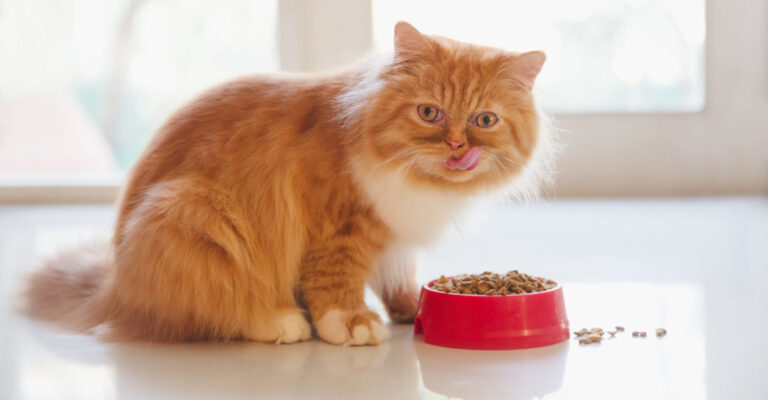
In the world of pet care, ensuring that your cat receives the right nutrition is crucial for its health and well-being. While commercially available dry cat foods are a convenient option, many pet owners are curious about what homemade foods can safely supplement their cat’s diet. It’s important to understand that not all human foods are appropriate for felines. This article provides essential guidelines on what you can include in your cat’s diet and what to avoid to keep your feline friend healthy.
1. Boiled Egg Whites
Eggs are a highly nutritious food, but it’s important to serve them correctly to your cat. The yolk of the egg is rich in fats and cholesterol, which might not be ideal for your cat. Instead, you can offer your cat boiled egg whites. Simply boil an egg, remove the yolk, and mash the egg white. Mixing this with some plain cooked rice can make a healthy and easily digestible treat for your cat. Egg whites are high in protein and low in fat, making them a great option for adding some variety to your cat’s diet.
2. Chicken Broth
Another nutritious option for your cat is chicken broth. When preparing chicken broth for your feline friend, make sure it is plain and free from any salt, spices, or seasonings. Boil chicken in water until fully cooked, and then strain the broth. This can be a good way to hydrate your cat and provide it with some extra nutrients. Chicken broth is particularly beneficial for cats recovering from illness or surgery as it’s easy on their digestive system and helps maintain hydration.
3. Watermelon in Moderation
Watermelon can be a refreshing treat for cats due to its high water content. It can help in meeting some of their hydration needs, especially on hot days. However, watermelon should be given in moderation. Excessive consumption of watermelon can lead to gastrointestinal upset or diarrhea in cats. Always consult your veterinarian before introducing new foods like watermelon into your cat’s diet to ensure it’s appropriate for your individual pet.
4. Grass for Digestive Health
Many cats instinctively eat grass, and it serves a specific purpose in their diet. Grass can help with digestion and induce vomiting to clear out hairballs or other irritants in their digestive tract. It’s important to provide safe, cat-friendly grass at home. Do not use regular garden grass or plants, as they may be treated with pesticides or other chemicals that could be harmful to cats. If you notice that your cat is frequently eating grass, it might be a good idea to check with your veterinarian to ensure there are no underlying health issues.
5. Foods to Avoid
While there are several safe foods to offer your cat, there are also many that should be strictly avoided:
- Onions and Garlic: Both onions and garlic contain compounds that are toxic to cats. They can cause gastrointestinal upset, lethargy, and more serious health issues like hemolytic anemia.
- Sugar: Cats do not have the ability to digest sugar well. Foods high in sugar can lead to obesity and diabetes. Avoid giving your cat sugary treats or foods.
- Red Meat: While a small amount of cooked red meat might be safe for cats, it should not be a staple of their diet. Red meat can be high in fats and may contribute to obesity or other health issues if given in excess.
- Shrimp: Although shrimp is not toxic to cats, it can cause digestive upset and is not necessary for their diet. Additionally, shrimp can be high in sodium and other additives that are not suitable for felines.
6. The Importance of Vaccinations
Vaccinations are a vital part of your cat’s health regimen. Cats should receive their vaccinations annually to protect them from various diseases. However, if your cat is pregnant or has recently given birth, it’s important to delay vaccinations until after the kittens are weaned. Always consult your veterinarian to create an appropriate vaccination schedule for your cat.
Feeding your cat a balanced and appropriate diet is key to its overall health and longevity. While commercial cat food provides a convenient and nutritionally balanced option, incorporating some safe homemade foods can add variety and enrichment to your cat’s diet. Boiled egg whites, plain chicken broth, and moderate amounts of watermelon can be beneficial additions. On the other hand, avoid feeding your cat harmful foods like onions, garlic, sugary treats, red meat, and shrimp.
Ensure that you provide your cat with access to safe grass for digestive health and keep up with regular vaccinations to protect against diseases. Always consult with your veterinarian before making significant changes to your cat’s diet or introducing new foods. By following these guidelines, you can help ensure that your feline companion enjoys a healthy, happy, and well-nourished life.