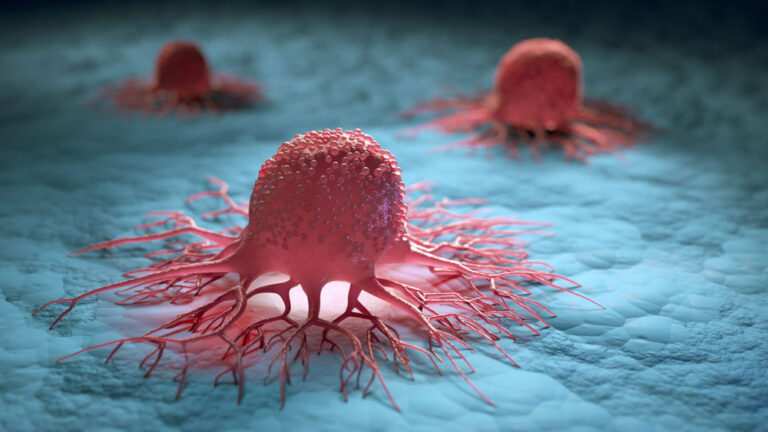
Cancer, often perceived as an ailment of old age, is increasingly making inroads among the youth. Changing lifestyles, erratic dietary habits, and neglect toward health are emerging as the root causes of this growing crisis. According to a study by the American Cancer Society, the prevalence of cancer among young individuals has seen a sharp rise. Alarmingly, one in five cancer patients today is under the age of 35, debunking the myth that cancer is confined to older age groups.
Breast Cancer: A Growing Concern Among Women
Dr. Subhadeep Chakraborty, a prominent cancer specialist, warns that breast cancer rates are skyrocketing, particularly among young women. “Breast cancer is no longer restricted to urban areas. A significant proportion of cases are now being reported from rural regions as well,” he notes. He highlights that delayed pregnancies and the reluctance to breastfeed are major contributors to this trend.
The average age of first-time mothers has risen to 34–35 years, a factor closely linked to the increased risk of breast cancer. Additionally, women often ignore symptoms like persistent bloating, weight gain, digestive issues, irregular menstruation, or post-menstrual bleeding. Such negligence, coupled with a lack of awareness, exacerbates the problem.
Rising Cases of Uterine, Cervical, and Ovarian Cancers
Besides breast cancer, uterine, cervical, and ovarian cancers are also becoming increasingly common among women. According to the World Health Organization (WHO), one in five women who die of cancer in India succumbs to cervical cancer. With an estimated 150,000 new cases annually, cervical cancer has become a silent epidemic.
Dr. Chakraborty identifies multiple risk factors, including inadequate menstrual hygiene, unprotected sexual practices, and excessive use of contraceptive pills. Despite the availability of advanced diagnostic tools like Pap smears, HPV tests, and colposcopy, most women above the age of 25 neglect routine health check-ups, further amplifying the risk.
Youth Under Siege: Oral and Throat Cancers
The increasing use of tobacco and related products among young adults is a significant contributor to oral and throat cancers. Cigarettes, bidis, gutkha, khaini, and other such substances not only cause oral cancer but also spread to lymph nodes and lungs over time.
“Cases of oral and throat cancer are no longer limited to older age groups,” explains Dr. Sonali Ghosh, a nuclear medicine specialist. “We’re seeing an alarming number of patients between the ages of 18 and 25 presenting with these conditions.”
The Impact of Diet: Processed Foods and Early Menarche
Modern dietary habits are another critical factor fueling cancer rates. Processed and fast foods, laden with chemicals, have become a staple for many, including children. Dr. Chakraborty warns about the carcinogenic potential of certain additives used in processed meats like sausages and burgers.
“These products often come from animals injected with hormones to enhance flavor and texture. When consumed, these hormones disrupt the natural hormonal balance in humans,” he explains. This imbalance has been linked to earlier onset of menstruation in girls, with cases now being reported as young as 8–9 years of age, compared to the traditional 12–13 years. Early menarche is a known risk factor for breast and cervical cancers later in life.
The Alarming Rise in Colorectal and Pancreatic Cancers
Another disturbing trend is the increasing incidence of colorectal and pancreatic cancers, particularly among the youth. Over the past two decades, cases have doubled, rising from 8% to 16%.
“Unhealthy eating habits, stress, and lack of physical activity are the primary drivers of these cancers,” says Dr. Ghosh. Symptoms like abdominal pain, changes in bowel habits, and unexplained weight loss often go unnoticed, leading to delayed diagnosis and poorer outcomes.
Tackling the Crisis: Preventive Measures and Early Detection
The fight against cancer begins with awareness and preventive measures. Some key steps include:
- Routine Health Screenings: Women above 25 should undergo annual Pap smears, HPV tests, and other diagnostic procedures.
- Balanced Diet: Incorporating fresh fruits, vegetables, and whole grains while minimizing processed and junk food is essential.
- Avoiding Tobacco: Eliminating the use of tobacco and related products can significantly reduce cancer risks.
- Physical Activity: Regular exercise and maintaining a healthy weight are crucial preventive strategies.
- Hygiene and Sexual Health: Proper menstrual hygiene and safe sexual practices can lower the risk of cervical cancer.
- Mindful Use of Contraceptives: Consult a healthcare provider before using oral contraceptives to avoid unnecessary risks.
Advanced Diagnostic Tools: A Beacon of Hope
Early detection plays a pivotal role in cancer treatment. Technologies like Pap smears, HPV tests, and colposcopy are not only cost-effective but also highly reliable. Identifying cancer at its nascent stage can lead to complete recovery in many cases.
The Role of Awareness Campaigns
Public health campaigns are vital in spreading awareness about cancer prevention and early detection. Educational workshops and seminars in schools, colleges, and communities can help dispel myths and encourage proactive health measures.
The escalating cancer crisis is a stark reminder of the consequences of neglecting health. However, the silver lining lies in the fact that most cancers are preventable or treatable if detected early. Adopting a healthy lifestyle, prioritizing regular health check-ups, and promoting awareness can go a long way in combating this disease.
The fight against cancer is a shared responsibility—one that requires collective action and vigilance. By taking proactive steps today, we can hope to build a healthier, cancer-free tomorrow.