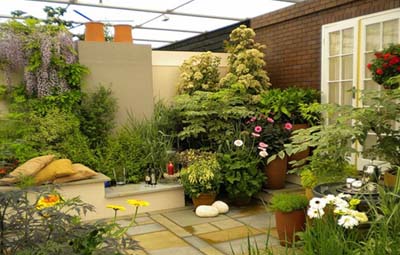
In the hustle and bustle of modern urban life, where concrete structures dominate the skyline, the need for green spaces has never been more critical. As cities continue to expand, many residents are turning to an innovative solution to bring nature back into their lives: rooftop gardens. These vibrant spaces not only enhance the aesthetics of homes but also contribute to mental well-being and environmental sustainability.
The Benefits of Rooftop Gardens
Rooftop gardens come with a plethora of benefits that make them increasingly popular among urban dwellers. Firstly, they improve air quality. Plants absorb carbon dioxide and release oxygen, helping to combat urban pollution. By creating a green oasis on their rooftops, residents can play a part in purifying the air and mitigating the effects of climate change.
Secondly, rooftop gardens can significantly reduce energy consumption. By providing insulation, these gardens help to keep buildings cooler in the summer and warmer in the winter, thereby reducing the reliance on heating and cooling systems. This not only lowers energy bills but also contributes to a more sustainable urban environment.
Additionally, rooftop gardens offer a personal sanctuary away from the stress of city life. Research has shown that spending time in nature reduces stress, anxiety, and depression. The vibrant colors and fragrant flowers can uplift moods and provide a peaceful escape for city dwellers.
A Growing Movement
The trend of rooftop gardening is gaining momentum, with many cities around the world promoting green initiatives. Organizations and local governments are encouraging residents to utilize their rooftops for gardening through workshops, grants, and community programs. This initiative has inspired a wave of urban gardening enthusiasts, ranging from seasoned gardeners to beginners looking to cultivate their green thumbs.
In cities like New York, Chicago, and Toronto, rooftop gardens are becoming commonplace. They range from simple potted plants to elaborate vegetable gardens and flower displays. Many restaurants and cafes are also jumping on the bandwagon, creating rooftop gardens that not only enhance their dining spaces but also supply fresh produce for their kitchens.
How to Start a Rooftop Garden
Starting a rooftop garden might seem daunting, but with some planning and creativity, anyone can create their own green oasis. Here are some essential steps to consider:
- Assess the Space: Before diving in, evaluate the rooftop’s conditions. Check for sunlight exposure, wind patterns, and accessibility. Most plants thrive with at least 6 hours of sunlight daily.
- Choose the Right Containers: Depending on the available space, select containers that suit the type of plants you wish to grow. Ensure they have proper drainage to prevent waterlogging.
- Select Suitable Plants: The choice of plants is crucial. For beginners, consider easy-to-grow varieties like herbs (basil, mint, rosemary), flowers (petunias, marigolds), and leafy greens (lettuce, spinach). Native plants are also a great option as they are adapted to the local climate.
- Soil and Fertilization: Use high-quality potting soil that retains moisture and provides nutrients. Regular fertilization will ensure healthy plant growth.
- Watering and Maintenance: Establish a watering routine, especially during hot summer months. Regularly check for pests and diseases, and prune plants as needed to encourage growth.
Community Impact
Rooftop gardens are not just individual endeavors; they are fostering community bonds. Many residents are forming groups to share tips, resources, and even produce. In some neighborhoods, rooftop gardening clubs have emerged, where members come together to exchange seeds, plan gardening events, and share their experiences.
This community involvement not only strengthens relationships among neighbors but also promotes sustainability practices. Urban gardening fosters a sense of responsibility towards the environment and encourages a collective effort to make cities greener.
Challenges and Solutions
While rooftop gardening offers numerous advantages, it is not without its challenges. Space constraints, weight restrictions, and maintenance can pose hurdles for many residents. In some cases, structural integrity must be evaluated to ensure the rooftop can support the weight of soil and plants.
To address these issues, it’s essential to consult with professionals who can assess the rooftop’s capacity. Additionally, lightweight soil alternatives, such as coconut coir or specialized potting mixes, can be used to minimize weight while still providing adequate growing conditions.
The Future of Rooftop Gardens
As urban populations continue to grow, the future of rooftop gardens looks promising. The potential for green roofs to transform city landscapes is immense. More cities are implementing policies to incentivize green roofs as part of their urban planning strategies. Governments may offer tax breaks, grants, or technical assistance to homeowners and businesses willing to adopt green roofing practices.
Furthermore, the integration of technology into rooftop gardening is on the rise. Innovations like smart irrigation systems, vertical gardens, and hydroponics are making it easier for urban gardeners to maintain their plants efficiently. These advancements allow even those with limited gardening experience to cultivate lush and productive gardens.
Conclusion
Rooftop gardens are more than just a trend; they represent a significant shift in how we view urban living. As cities become increasingly dense, the need for green spaces is essential for our mental and physical well-being. By embracing rooftop gardening, urban residents are not only beautifying their surroundings but also contributing to a healthier planet.
In the words of renowned landscape architect Fredrick Law Olmsted, “The enjoyment of scenery employs the mind without fatigue.” As more people take to their rooftops to create their own floral sanctuaries, we can envision cities that are not just concrete jungles but vibrant ecosystems teeming with life.
So, whether you have a sprawling rooftop or a small balcony, consider starting your own garden. Join the movement that is transforming urban spaces and making the world a greener, more beautiful place—one rooftop at a time.