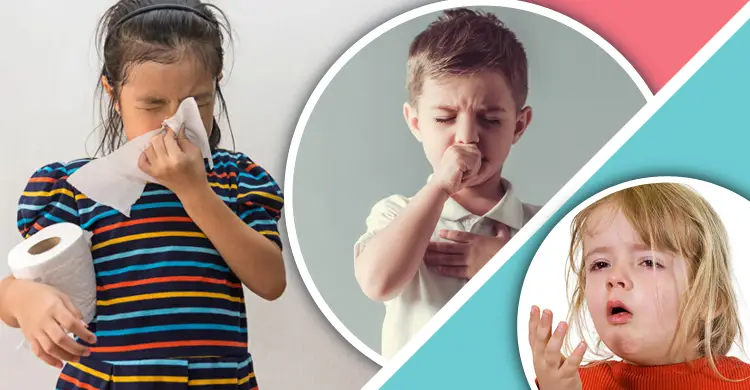
Tips to Manage: Winter can be a challenging time for many children, especially those prone to allergies and respiratory issues. Increased instances of colds, coughs, and difficulty breathing, often accompanied by running nose, sore throat (due to mucus buildup), eye irritation, and even conjunctivitis, are common. For parents, understanding how to manage these winter allergies and keep their children comfortable is crucial.
Understanding the Allergy Triggers
Allergies are not just confined to skin rashes; they can manifest in various ways, often mimicking a common cold. As noted by pediatrician Priyankar Pal, symptoms can include:
Cold-like symptoms: Continuous sneezing, running nose, and a general feeling of being unwell (often referred to as ‘hay fever’ in medical terms).
Respiratory distress: Mild breathing difficulties.
Ocular issues: Irritation and inflammation of the eyes (conjunctivitis).
Allergens can be found both indoors and outdoors:
Indoor Triggers: Dust mites, certain food items, insect infestations, and pet dander can trigger year-round allergies that worsen in winter when windows are kept closed.
Outdoor Triggers: Airborne particles like pollen and dust are major culprits. Children with pre-existing conditions like allergic rhinitis are particularly vulnerable in the colder months.
Ways to Keep Your Child Healthy
Taking preventative measures and making simple lifestyle adjustments can significantly help manage your child’s winter allergies and cold symptoms.
1. Manage Temperature and Air Quality
Avoid Cold Exposure: For children who are sensitive to both heat and cold, it is essential to prevent catching a chill. Turn off fans or keep their speed low and strictly avoid using air conditioning during this season.
Use Air Purifiers: If your child has a severe allergy to dust, consider using a HEPA filter-equipped air purifier in their room. This helps remove fine dust particles and allergens, keeping the air cleaner.
Avoid Smoking: Never smoke in the rooms where your child spends time, as this greatly exacerbates respiratory issues.
2. Dietary and Hydration Strategies
Boost Immunity with Diet: Incorporate Vitamin C-rich fruits and seasonal vegetables into their diet.
Stay Hydrated: Encourage your child to drink plenty of water throughout the day.
Warming Beverages: A natural remedy for cold symptoms is to give your child:
Lukewarm water mixed with honey in the morning.
A warm drink made by boiling cinnamon, cardamom, ginger, and cloves, then strained. This helps to reduce the severity of colds and coughs.
Use Healthy Spices: Increase the use of spices like ginger, black pepper, and turmeric in their meals.
Eliminate Junk Food: Keep junk food and oily, spicy items out of their diet.
3. Medical and Preventative Care
Inhalers are Essential: If your child has a history of asthma or allergic rhinitis, ensure their inhaler is always accessible. Follow the pediatrician’s instructions strictly regarding its use.
Wear a Mask: If your child is prone to respiratory issues or dust allergies, ensure they wear a mask when stepping out, especially during periods of high pollution or traffic.
When to Seek Medical Help: If the sneezing and coughing persist even after taking precautions, do not delay in consulting a doctor for proper diagnosis and treatment.
Read More: Bankura Duo Conquers Umling La, Sets India Book of Records Mark!
[…] Read More: How to Keep Your Child Healthy During Winter Allergies: Tips to Manage Cold, Cough, and Respiratory … […]