
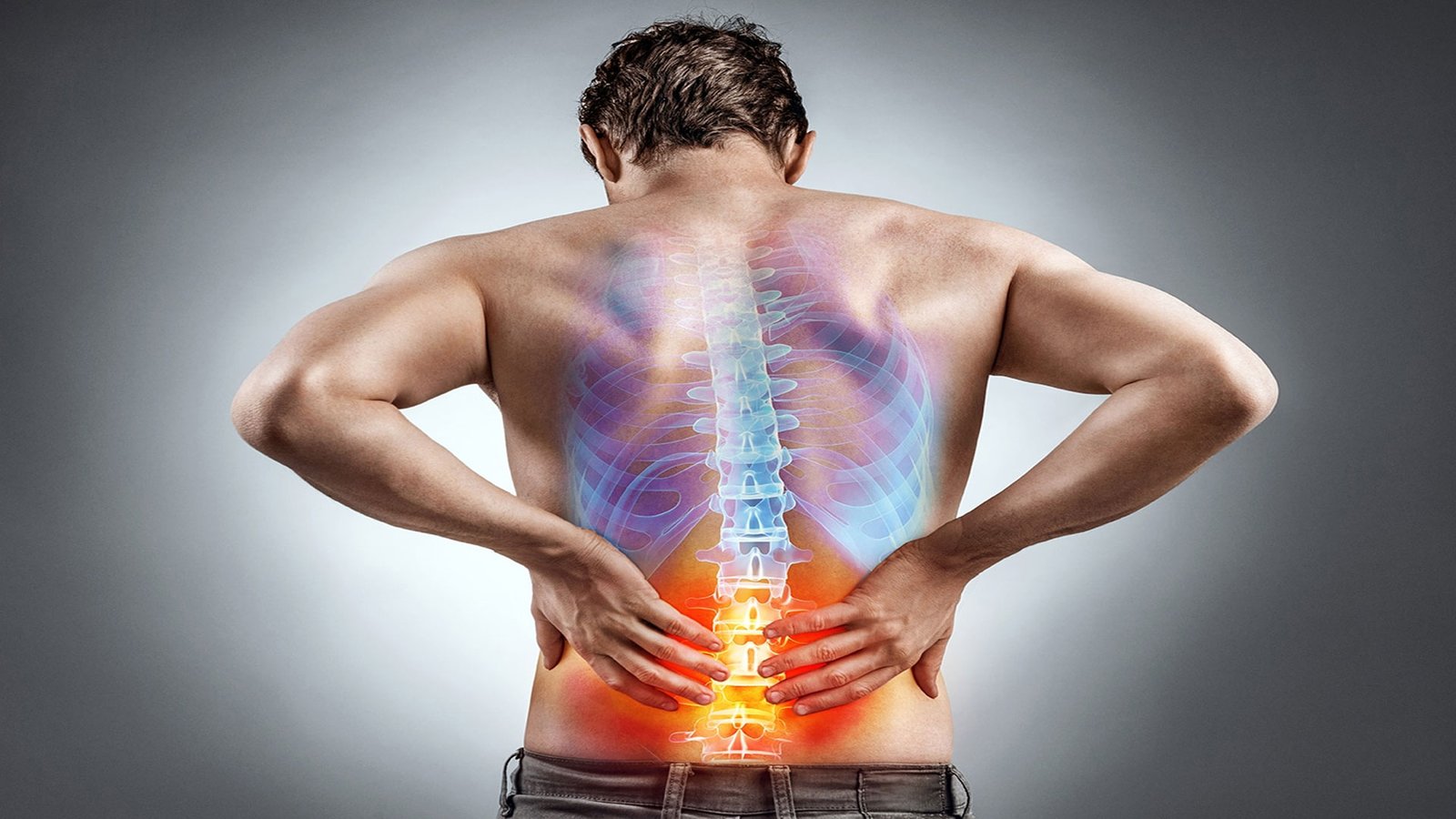
Back pain is a common complaint that many people face, often due to prolonged periods of sitting or lying down. Whether it’s during a long office meeting or simply getting up from bed, sudden strains in the back and leg muscles can leave you feeling discomforted and sore. While many instances of muscle strain resolve on their own, lingering pain can persist even after the initial discomfort fades. For those who frequently experience tightness in their back or lower back, it is essential to understand the causes and remedies available.
Causes of Muscle Strain
According to orthopedic specialist Dr. Subrata Ghosh, one of the primary reasons for muscle strain is dehydration. When the body lacks sufficient water, muscle elasticity is affected, leading to a higher likelihood of strain. Additionally, the buildup of lactic acid in the muscles, or deficiencies in essential vitamins and minerals such as potassium, can also contribute to this issue.
What to Do When Experiencing Back Strain
When you find yourself with a tight or painful back, here are some effective measures to relieve discomfort:
1. Ice Therapy
Immediately applying an ice pack to the affected area can significantly alleviate pain. If an ice pack isn’t available, a cold water bottle can serve as an alternative. Applying cold reduces inflammation and provides immediate relief from pain.
2. Hydration and Movement
Drinking warm water and engaging in gentle walking can help rejuvenate the muscles quickly. Keeping your body hydrated supports muscle function and reduces the chances of strain. As you walk, the increased blood flow aids in recovery.
3. Take Breaks
To avoid prolonged tension in the muscles, it’s crucial to take regular breaks, especially if you are sitting for long periods. Standing up, stretching, and moving around can help relieve muscle tension and prevent future strains.
4. Gentle Stretching
Incorporating light stretching can be beneficial when experiencing back pain. Although some forms of exercise might be difficult, gradually stretching your limbs can help alleviate tightness. Simple actions, like bending forward to touch your toes while standing, can provide much-needed relief.
5. Heat Therapy
For those who experience frequent muscle strain in the back, keeping a heating pad handy can be very helpful. Applying heat can relax tight muscles and improve circulation, which in turn can reduce pain levels significantly.
6. Essential Oils
Eucalyptus oil is particularly effective for relieving back and lower back pain. Gently massaging the oil into sore muscles can enhance blood circulation and reduce discomfort. Keeping eucalyptus oil on your desk can be a convenient way to apply it when needed.
Regular Care and Prevention
To manage and prevent back pain effectively, consider adopting these regular care practices:
- Stay Hydrated: Aim to drink sufficient water throughout the day. Proper hydration supports muscle elasticity and overall health.
- Engage in Regular Exercise: Incorporating a regular exercise routine can strengthen back muscles, making them less susceptible to strains.
- Maintain Good Posture: Whether sitting or standing, maintaining a proper posture is essential. A good ergonomic setup at your desk can significantly reduce back strain.
- Limit Screen Time: Be mindful of your posture while using electronic devices. Keep your phone at eye level and avoid slumping over.
When to Seek Medical Attention
If your back pain persists for more than a week or if you experience weakness in your legs along with the pain, it’s important to consult a healthcare professional. Persistent or severe pain may indicate underlying issues that require medical intervention.
While back pain is a common issue, it should not be overlooked. With proper knowledge and proactive care, you can manage and alleviate the discomfort effectively. Remember, your health is your wealth, so prioritize your well-being and stay active. By adopting good habits and being aware of your body’s needs, you can minimize the occurrence of back pain and improve your overall quality of life.