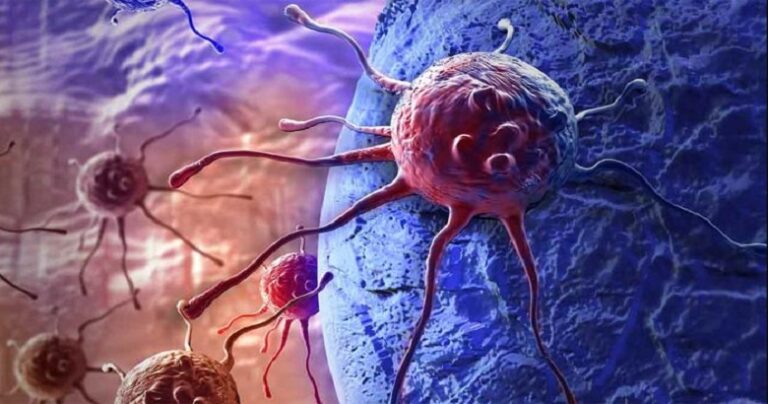
Cancer, particularly breast cancer, has become one of the most formidable diseases of our time. The treatment of this disease often involves painful and expensive methods that are not only physically taxing but also mentally challenging for patients. Traditional treatments such as surgery and chemotherapy are difficult for patients to endure and are often associated with severe side effects. However, in a groundbreaking development, Indian scientists have introduced a new technique that promises to revolutionize the way breast cancer is treated. This new method is called “Supramolecular Hydrogel Therapy,” which has proven to be less painful and more effective than conventional treatments like chemotherapy and surgery. The results of this new technology have been incredibly promising.
Researchers from IIT Guwahati and the Bose Institute in Kolkata have pioneered the use of supramolecular hydrogels in the treatment of breast cancer. Their research, which was published in the prestigious journal “Materials Horizons” by the Royal Society of Chemistry in London, outlines how this hydrogel is showing great potential in combating cancer cells.
Supramolecular Hydrogel: What is This New Technique?
Supramolecular hydrogel is a type of thick, jelly-like substance made from tiny peptides. The unique characteristic of this hydrogel is its ability to effectively deliver drugs to specific areas inside the body. Unlike regular jelly, the hydrogel is constructed in a special way that allows it to carry drugs to the cancer cells in the body.
When injected into the body, the hydrogel slowly releases the drug to the cancer cells. The drug then attacks the tumor cells, destroying them. One of the remarkable features of this hydrogel is its ability to break down at the location where cancer cells are more concentrated, releasing the drug precisely in that area. This localized action ensures that the healthy cells remain unaffected, unlike chemotherapy, where healthy cells often suffer collateral damage.
How is This Technique Different from Traditional Treatments?
Traditional cancer treatments such as surgery, chemotherapy, and radiotherapy come with their own set of challenges. While surgery may not always completely remove the tumor, chemotherapy often causes significant damage to the body. Chemotherapy drugs circulate throughout the body, affecting not just the cancer cells but also healthy cells. This widespread damage to healthy cells can lead to a variety of side effects, both mental and physical, that patients may have to deal with for a long time.
Supramolecular hydrogel therapy is different from these traditional treatments. It directly targets cancer cells and spares healthy cells. According to the researchers, this method could make the treatment process less painful and more effective.
Research and Testing: What Do the Reports Say?
The development of this hydrogel was led by Professor Devpratim Das and his research students Tanushree Das and Ritvika Kushwaha from the Department of Chemistry at IIT Guwahati. Along with the researchers from Bose Institute in Kolkata, including Kuldeep Jana and Satyajit Haldar, the team conducted extensive in-vitro tests.
The researchers reported that when they tested the hydrogel on mice, they found that after a single injection, 75% of the cancer cells in the mouse body were destroyed within 18 days. After these promising results, the researchers are now working towards applying this technique to the human body.
Advantages of the Hydrogel
Compared to regular jelly, the supramolecular hydrogel has several unique characteristics. The chemical structure of this hydrogel is designed in such a way that it can precisely deliver drugs to cancer cells. Moreover, this gel functions efficiently inside the body, ensuring that the drugs do not disperse into the bloodstream and go to the wrong places.
A major issue with regular jelly is that if it is injected into the body, it can mix into the bloodstream and be ineffective. However, the hydrogel solves this problem by ensuring that the drug is only released at the site of the cancer cells.
Future Directions
With the success of supramolecular hydrogel technology, the next step for scientists is to apply it to the human body. Researchers are currently in the process of obtaining necessary approvals from regulatory bodies, and they believe that this technique could soon bring about a revolutionary change in cancer treatment.
One of the most significant advantages of this new therapy is its potential to reduce treatment costs. Traditional cancer treatments are expensive, but this technique could be far more affordable, making it accessible to millions of people. This research brings hope that, in the coming years, there will be a significant transformation in the way cancer is treated. Not only could it make cancer treatment more affordable, but it could also improve the quality of life for patients.
A New Hope for Cancer Patients in India and Beyond
This groundbreaking research from India has paved the way for a new approach to cancer treatment. Supramolecular hydrogel therapy does not just challenge traditional methods like chemotherapy and surgery, but it also offers new hope for millions of patients battling cancer. If this technology can be successfully applied to human bodies in the near future, it could lead to a major shift in cancer treatment, providing a less painful and more effective alternative to existing therapies.
The results of this research have the potential to bring about a new era in cancer treatment, where the focus will shift from invasive procedures to more targeted, less harmful interventions. As research progresses and approval processes are completed, scientists are optimistic that supramolecular hydrogel therapy could soon become a revolutionary treatment for cancer, offering patients not just a chance at survival, but also a better quality of life.
In conclusion, India’s contribution to cancer treatment through the development of supramolecular hydrogel therapy offers a beacon of hope. This innovation could change the future of cancer care, not only in India but across the world, and help millions of people battling this devastating disease.