

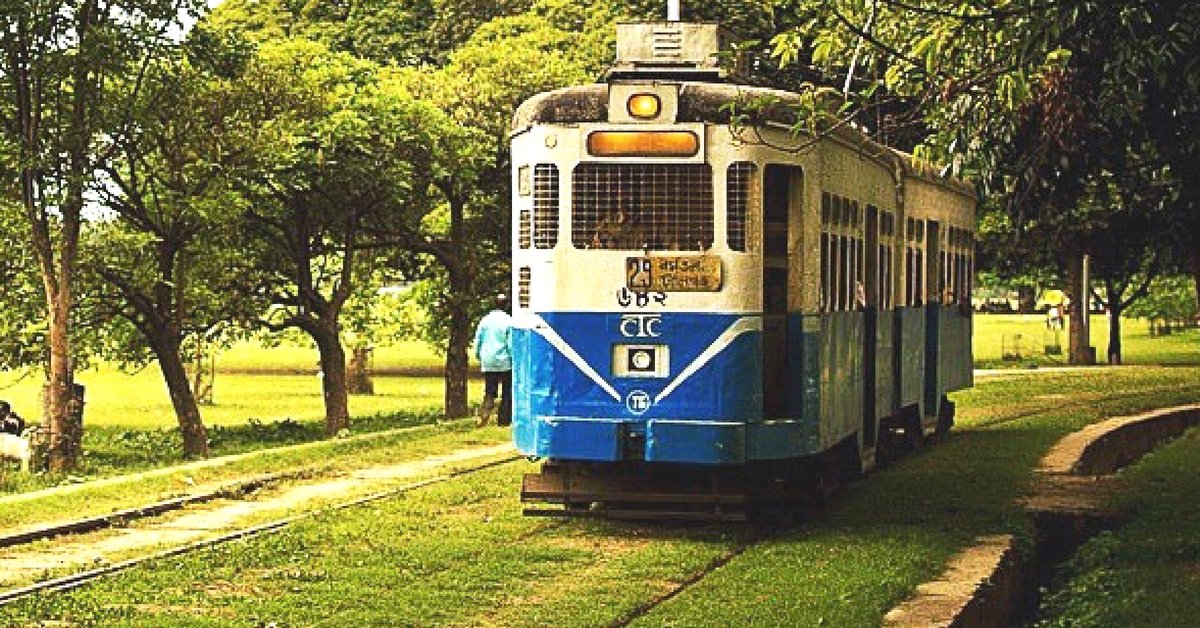
Kolkata, often referred to as the cultural capital of India, is a city that brims with history, art, and a rich tapestry of life. Among its many treasures, the tram system stands out as not just a mode of transportation, but as an integral part of the city’s identity. This article delves into the fascinating history of trams in Kolkata, tracing their origins, evolution, challenges, and current status as a cultural symbol.
The Inception of Trams: A Step into Modernity in 1873
The story of trams in Kolkata begins in 1873 with the introduction of horse-drawn trams, known as “streetcars.” This marked a significant milestone in the city’s transportation landscape. At that time, the burgeoning population of Kolkata necessitated an efficient public transport system. The tramway network was developed by the Calcutta Tramways Company, which initially operated a modest number of routes connecting important areas of the city.
The introduction of trams revolutionized urban mobility, allowing residents to traverse the city with greater ease. The trams became a popular choice for daily commuters, connecting them to workplaces, educational institutions, and markets. With the rhythmic clanging of bells and the clatter of hooves, the trams became an iconic sight on the streets of Kolkata.
The Advent of Electric Trams: A Technological Leap in 1902
A significant transformation occurred in 1902 when Kolkata saw the launch of electric trams, replacing the horse-drawn models. This transition represented not only a technological advancement but also a step toward modern urban transportation. Electric trams operated more efficiently and comfortably, enabling faster travel across the city’s expanding tram network.
The introduction of electric trams was met with enthusiasm, as they provided a reliable means of transport that could accommodate the growing population. This era saw an expansion of tram routes, connecting various neighborhoods and fostering a sense of community among the diverse residents of Kolkata. The electric trams became a lifeline for many, with their distinct blue and yellow carriages becoming synonymous with the city’s identity.
The Golden Era: Mid-20th Century Triumph
The mid-20th century is often regarded as the golden era of trams in Kolkata. During this period, the tram network reached its zenith, operating over 100 kilometers of routes and carrying millions of passengers daily. Trams were not just a mode of transport; they became a cultural phenomenon, intertwining with the lives of the people.
Trams offered a unique social experience, as people from different walks of life shared the same space. The camaraderie that developed among passengers fostered a sense of community, and trams became a common ground for discussions, exchanges, and interactions. The sights and sounds of daily life on the trams painted a vibrant picture of Kolkata’s cultural landscape.
Challenges and Decline: The Impact of Modernization
Despite its popularity, the tram system faced significant challenges beginning in the late 20th century. The rise of motor vehicles, buses, and private transport options led to a gradual decline in tram ridership. The increasing congestion on Kolkata’s roads made it difficult for trams to operate efficiently, and many routes were either suspended or reduced in frequency.
By the 1970s, the tram network was experiencing significant strain. The allure of faster transportation options drew people away from trams, resulting in a decline in revenue and increased operational costs. Many of the iconic blue and yellow trams were gradually phased out, replaced by more modern modes of transport. The government made attempts to revitalize the tram service, but the competition from buses and cars proved to be a formidable challenge.
A New Dawn: Revitalization Efforts in the 21st Century
In recent years, there has been a renewed interest in the tram system as part of Kolkata’s urban transportation strategy. Recognizing the importance of sustainability and eco-friendly transport solutions, local authorities have initiated various measures to modernize and enhance the tram network.
New routes have been introduced, and efforts have been made to upgrade the existing infrastructure. Digital systems have been implemented to provide real-time information to passengers regarding tram schedules and routes, making it easier for commuters to plan their journeys. Additionally, the government has promoted the idea of trams as a viable alternative to road congestion, highlighting their environmental benefits.
Cultural Significance: More Than Just a Mode of Transport
Beyond their practical utility, trams hold a special place in Kolkata’s cultural narrative. The trams have been featured in various artistic expressions—literature, films, and visual arts—serving as a backdrop to stories that capture the essence of life in Kolkata. They symbolize not just a means of transport, but also the rhythm of life in this vibrant city.
The sound of a tram bell ringing as it glides down a bustling street evokes nostalgia and memories for many residents. Writers and filmmakers have often depicted trams as a metaphor for the journey of life itself—filled with unexpected encounters, shared experiences, and the beautiful chaos of urban existence.
Community Engagement: Trams as a Catalyst for Change
Trams have also played a role in fostering community engagement. Many local organizations and residents have come together to promote tram culture, organizing events and campaigns to celebrate this unique aspect of Kolkata’s identity. Workshops, exhibitions, and community discussions have been initiated to raise awareness about the significance of trams and their potential to contribute to sustainable urban development.
Through these initiatives, residents are encouraged to explore the history and heritage of trams, connecting with their past while envisioning a greener future. The tram system is increasingly seen as a symbol of community pride and resilience, embodying the spirit of Kolkata and its people.
The Future of Trams in Kolkata: Opportunities Ahead
Looking ahead, the future of trams in Kolkata appears promising. As cities worldwide embrace sustainable transport solutions, Kolkata has the opportunity to position its tram system as a vital component of its urban mobility strategy. With proper investment, infrastructure improvements, and public awareness campaigns, trams can once again become a preferred mode of transport for residents.
Experts suggest integrating trams with other forms of public transport, such as buses and metro services, to create a seamless travel experience for commuters. This holistic approach can significantly enhance the efficiency of the transport network, reducing congestion and lowering carbon emissions.
Moreover, as Kolkata continues to evolve as a metropolitan city, the revival of trams can contribute to preserving its cultural heritage. By maintaining the historic charm of trams while incorporating modern technology, the city can celebrate its past while embracing the future.
Conclusion: A Journey Worth Celebrating
The history of trams in Kolkata is a remarkable narrative of transformation, resilience, and cultural significance. From their humble beginnings as horse-drawn carriages to the electric trams that symbolize urban progress, trams have played an enduring role in shaping the city’s identity.
As Kolkata moves forward, the tram system stands as a testament to its rich heritage, a bridge connecting the past with the present. By revitalizing and embracing trams as an essential component of urban transport, the city can ensure that this iconic feature continues to thrive for generations to come.
In celebrating the tram’s legacy, Kolkata not only honors its history but also takes a step towards a sustainable future. The tram is more than just a mode of transport; it is a cherished part of Kolkata’s soul, weaving together the stories and experiences of its people in a vibrant tapestry that defines this remarkable city.