

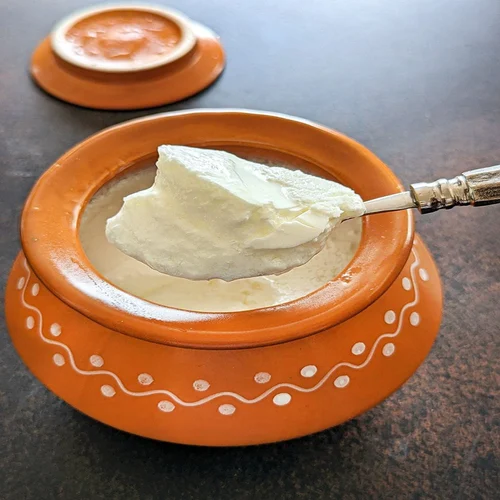
Beyond the Bowl: How the Ancient Superfood Dahi Is Revolutionizing Modern Probiotic Science
In an era dominated by synthetic dietary supplements, shelf-stable probiotics, and high-tech wellness trends, modern medical science is turning its attention to an ancient staple found in kitchens across the globe: dahi (traditional Indian curd).
Long revered in Ayurvedic tradition as a nourishing, cooling, and restorative food, dahi is now receiving validation from gastroenterologists, nutritionists, and immunologists worldwide. Recent biomedical research reveals that fresh, traditional fermented curd harbors a complex ecosystem of live microorganisms, bioactive peptides, and bioavailable minerals that support human health far beyond simple digestion.
From optimizing the gut microbiome and modulating immune responses to regulating arterial blood pressure and supporting mental well-being via the gut-brain axis, dahi is proving to be a nutritional powerhouse.
1. The Microbiology of Dahi: Fermentation at Work
To understand why dahi delivers such profound therapeutic benefits, one must look at the bio-chemical transformation that occurs when liquid milk ferments into thick, tangy curd.
When fresh milk is boiled, cooled, and inoculated with a starter culture (jamun or khattai), beneficial lactic acid bacteria—primarily strains of Lactobacillus bulgaricus, Streptococcus thermophilus, Lactobacillus acidophilus, and Bifidobacterium—begin converting lactose (milk sugar) into lactic acid.
This biochemical conversion brings several immediate health advantages:
-
Lactose Breakdown: The enzymatic activity breaks down up to 70% of the naturally occurring lactose, making dahi significantly easier to digest than unfermented milk for individuals with mild to moderate lactose intolerance.
-
Protein Pre-Digestion: Milk proteins (primarily casein) coagulate in the acidic environment. This structural change acts as a form of “pre-digestion,” allowing human stomach enzymes to break down amino acids with minimal digestive strain.
-
Enhanced Nutrient Availability: Acidification transforms minerals such as calcium, phosphorus, magnesium, and zinc into soluble, highly bioavailable forms that the small intestine can easily absorb.
2. A Deep Dive into Health Benefits
A. Gut Microbiome Architecture and Digestive Harmony
The human gastrointestinal tract houses over 100 trillion microorganisms—a complex community known as the gut microbiome. Disruption of this microbial balance (dysbiosis) is linked to conditions ranging from irritable bowel syndrome (IBS) and chronic bloating to systemic inflammation.
Dahi acts as a natural, living probiotic delivery system. Regular consumption introduces billions of beneficial Lactobacillus colony-forming units (CFUs) directly into the gut. These live organisms:
-
Outcompete Pathogens: Lactic acid bacteria lower the intestinal pH, creating an environment hostile to pathogenic bacteria such as E. coli, Salmonella, and Helicobacter pylori.
-
Reinforce the Gut Barrier: Probiotic strains stimulate the production of mucin, a protective protein layer along the intestinal wall that prevents toxins from leaking into the bloodstream (leaky gut syndrome).
-
Promote Bowel Regularity: The mild organic acids in dahi stimulate peristalsis—the natural wave-like muscular contractions of the intestines—alleviating chronic constipation and reducing transit time.
“Freshly set dahi contains active bacterial strains that arrive in the lower intestine intact, provided it isn’t subjected to high heat. It remains one of the most cost-effective and bioavailable probiotic foods available.”
— Dr. Ananya Mukherjee, Clinical Gastroenterologist
B. Immune System Activation and Modulation
Nearly 70% to 80% of the human immune system resides in the gut-associated lymphoid tissue (GALT). Dahi interacts directly with GALT to strengthen immune defenses:
-
Immunoglobulin Production: Regular probiotic intake stimulates mucosal plasma cells to synthesize Immunoglobulin A (IgA), the frontline antibody defending mucosal surfaces against viral and bacterial invasion.
-
White Blood Cell Activity: Bioactive peptides produced during lactic fermentation boost the phagocytic activity of macrophages and natural killer (NK) cells.
-
Inflammation Regulation: Dahi helps balance pro-inflammatory and anti-inflammatory cytokines, reducing low-grade chronic inflammation throughout the body.
C. Cardiovascular Health and Blood Pressure Control
While high-fat dairy has historically been viewed with caution by cardiologists, modern epidemiological studies distinguish fermented dairy from unfermented dairy.
| Lipid & Vascular Marker | Effect of Daily Dahi Consumption | Mechanism of Action |
| LDL Cholesterol | 4% to 8% Reduction | Bacterial strains bind to biliary cholesterol in the gut, promoting its excretion before absorption. |
| Systolic Blood Pressure | Moderate Lowering | ACE-inhibitory peptides released during fermentation relax vascular walls. |
| Arterial Stiffness | Reduced Risk | High concentrations of Vitamin $K_2$ prevent calcium buildup in arterial walls. |
D. Bone Mineral Density and Skeletal Strength
A single 200-gram serving of traditional full-cream dahi supplies approximately 300 mg of elementary calcium—roughly 30% to 35% of the recommended daily intake for adults. Beyond raw calcium content, dahi provides a complete matrix of bone-building co-factors:
-
Phosphorus and Magnesium: Balanced in ratio to optimize hydroxyapatite crystal formation in bone tissue.
-
Lactic Acid Facilitation: The acidic environment in the duodenum enhances ionized calcium transport across the intestinal epithelial cells.
-
Protein Support: High-quality protein supplies essential building blocks for the collagen matrix that structures bone tissue.
E. Metabolic Health and Weight Management
Incorporating dahi into a balanced diet supports sustainable weight management through multiple physiological pathways:
-
Satiety Signaling: High protein levels trigger the release of peptide YY (PYY) and glucagon-like peptide-1 (GLP-1), hormones that signal fullness to the brain and curb appetite.
-
Glycemic Stability: When consumed alongside high-carbohydrate meals (such as rice, roti, or lentils), dahi blunts post-prandial blood glucose spikes, reducing insulin surges.
-
Adipocyte Modulation: Calcium and conjugated linoleic acid (CLA) found in whole-milk fermented curd aid lipid metabolism and discourage excessive fat storage.
F. The Gut-Brain Axis: Mood and Mental Clarity
The bidirectional communication highway connecting the central nervous system and the gastrointestinal tract is known as the gut-brain axis. The gut bacteria cultivated by probiotic foods produce key neurotransmitters:
-
GABA (Gamma-Aminobutyric Acid): Main inhibitory neurotransmitter that reduces neural excitability, promoting calm and relieving anxiety.
-
Serotonin: Up to 90% of the body’s serotonin is synthesized in the gut. A healthy microbiome supported by fermented foods contributes to stable mood regulation and improved sleep quality.
3. Comparative Nutritional Breakdown
To highlight its value, here is how a 200g serving of plain whole-milk homemade dahi compares to commercial skimmed yogurt and flavored commercial yogurt:
| Nutritional Component | Plain Whole-Milk Dahi (200g) | Commercial Skimmed Yogurt (200g) | Flavored Commercial Yogurt (200g) |
| Calories | 120–140 kcal | 70–80 kcal | 180–220 kcal |
| Protein | 7.0–8.5 g | 8.0–10.0 g | 5.0–6.0 g |
| Fat | 6.0–8.0 g | 0.2–0.5 g | 2.0–4.0 g |
| Carbohydrates | 8.0–9.0 g | 11.0–13.0 g | 28.0–35.0 g |
| Added Sugars | 0 g | 0 g | 18.0–25.0 g |
| Calcium | ~300 mg | ~340 mg | ~220 mg |
| Live Probiotic Strains | High (Fresh) | Variable (Heat-treated) | Low to Medium |
4. Dahi vs. Store-Bought Yogurt: Key Differences
While the terms “dahi” and “yogurt” are often used interchangeably in Western media, they differ significantly in bacterial culture preparation, texture, and processing:
Traditional Dahi
-
Fermentation Culture: Uses a natural wild starter culture (jamun) containing a mix of native Lactobacillus species.
-
Fermentation Temperature: Set at ambient room temperature (25°C to 35°C) over 6 to 12 hours.
-
Texture & Consistency: Softer, slightly watery, with natural whey separation (paani).
-
Additives: Zero stabilizers, thickeners, or artificial preservatives.
Commercial Yogurt
-
Fermentation Culture: Standardized laboratory-isolated cultures (typically L. bulgaricus and S. thermophilus only).
-
Fermentation Temperature: Set under strict industrial temperature control (40°C to 45°C).
-
Texture & Consistency: Firm, gel-like, often stabilized with pectin, gelatin, or starch.
-
Processing: Often pasteurized after fermentation to extend shelf life, which kills beneficial live bacteria unless explicitly labeled as containing active live cultures.
5. Optimal Consumption Practices and Culinary Tips
To maximize the therapeutic benefits of dahi, dietary experts recommend specific practices:
The Golden Rules of Consumption
-
Eat Fresh: Freshly set dahi (consumed within 24 to 48 hours) harbors peak live bacterial counts. Overly sour or aged curd has higher acidity and lower viable bacterial counts.
-
Never Heat Directly: High heat above 45°C destroys live probiotic bacteria. Add dahi to cooked dishes (like curries or gravies) at the very end off the flame.
-
Retain the Whey: The thin liquid that separates on top of dahi—the whey—contains dissolved proteins, B-complex vitamins, potassium, and calcium. Stir it back in rather than draining it.
-
Timing Matters: Consuming dahi during breakfast or lunch provides sustained energy, aids daytime digestion, and maximizes nutrient absorption.
Ayurvedic & Modern Synergies: Powerful Pairings
-
Dahi + Cumin (Jeera): Roasted, ground cumin seed added to dahi enhances pancreatic enzyme secretion and eliminates abdominal gas.
-
Dahi + Black Pepper: Piperine in black pepper significantly increases the bio-absorption of micronutrients in dahi.
-
Dahi + Flaxseeds/Chia Seeds: Combines live probiotics with prebiotic soluble fibers, creating a synergistic synbiotic combination that feeds healthy microbes.
-
Chaach / Mattha (Spiced Buttermilk): Churning dahi with water creates a light, hydrating beverage that restores electrolyte balance and cools the digestive tract during hot weather.
6. Myths vs. Scientific Reality
Despite its widespread popularity, several misconceptions surround dahi consumption.
Myth 1: “Dahi causes cold and cough in winter or at night.”
-
Scientific Reality: Dahi itself does not cause viral respiratory infections. Colds are caused by viruses, not food temperature. However, cold dahi directly out of the refrigerator may trigger temporary throat irritation or bronchospasm in individuals with hyper-reactive airways or asthma. Consuming dahi at room temperature resolves this issue entirely.
Myth 2: “Lactose-intolerant people must strictly avoid dahi.”
-
Scientific Reality: Most individuals with lactose intolerance can consume dahi without symptoms because lactic acid bacteria pre-digest a large percentage of lactose into lactic acid and produce the enzyme beta-galactosidase within the digestive tract.
Myth 3: “Dahi should never be consumed daily.”
-
Scientific Reality: Daily intake of 150g to 250g of fresh, plain dahi is safe and beneficial for most individuals. It helps maintain a stable population of healthy gut microbes.
7. The Final Verdict
As nutritional science advances, simple traditional foods are regaining recognition for their powerful health benefits. Dahi is far more than a versatile culinary item—it is a living, functional food that supports digestion, strengthens immunity, protects cardiovascular and skeletal systems, and stabilizes mood through the gut-brain axis.
By replacing processed snacks and sugary desserts with a daily bowl of fresh, plain dahi, you can take an easy, cost-effective, and scientifically proven step toward long-term health and vital wellbeing.