
Stay Healthy This Monsoon: Expert Medical Guidelines for Preventing Seasonal Illnesses
The arrival of the monsoon offers a welcome respite from the oppressive heat of summer. Parched landscapes transform into lush greenery, and a cool breeze rejuvenates the senses. However, alongside the soothing rainfall and pleasant atmosphere comes a sharp increase in seasonal health risks. High ambient humidity, stagnant rainwater, and rapid microbial multiplication create an ideal breeding ground for pathogens. During this season, instances of dengue, malaria, typhoid, gastroenteritis, viral influenza, and fungal skin infections rise significantly.
According to health experts, simple precautions, a balanced diet, and strict personal hygiene can shield you and your family from most monsoon-related ailments. Here is a detailed guide on how to stay healthy, energized, and protected during the rainy season, incorporating essential advice and preventive measures recommended by medical professionals.
1. Common Diseases That Surge During the Monsoon
The high moisture content and fluctuating temperatures of the rainy season favor the growth of bacteria, viruses, and fungi. Monsoon-related illnesses generally fall into four primary categories:
A. Vector-Borne Diseases
Stagnant rainwater acts as a primary breeding site for mosquitoes, leading to a surge in vector-borne illnesses:
-
Dengue & Chikungunya: Transmitted by the Aedes mosquito, which breeds in clean, standing water and typically bites during the daytime.
-
Malaria: Transmitted by the Anopheles mosquito, which thrives in accumulated dirty or fresh water.
-
Key Symptoms: Sudden high fever, severe headache, pain behind the eyes, intense joint and muscle pain, fatigue, and skin rashes.
B. Waterborne Infections
During rains, municipal and local water supplies are easily contaminated by sewage or runoff. Consuming contaminated water or food leads to gastrointestinal complications:
-
Typhoid: A bacterial infection caused by Salmonella typhi.
-
Cholera & Gastroenteritis: Severe stomach infections leading to rapid fluid loss.
-
Hepatitis A & E (Jaundice): Viral infections affecting liver function.
-
Key Symptoms: Abdominal cramps, persistent diarrhea, vomiting, long-lasting fever, and loss of appetite.
C. Respiratory Infections and Viral Fevers
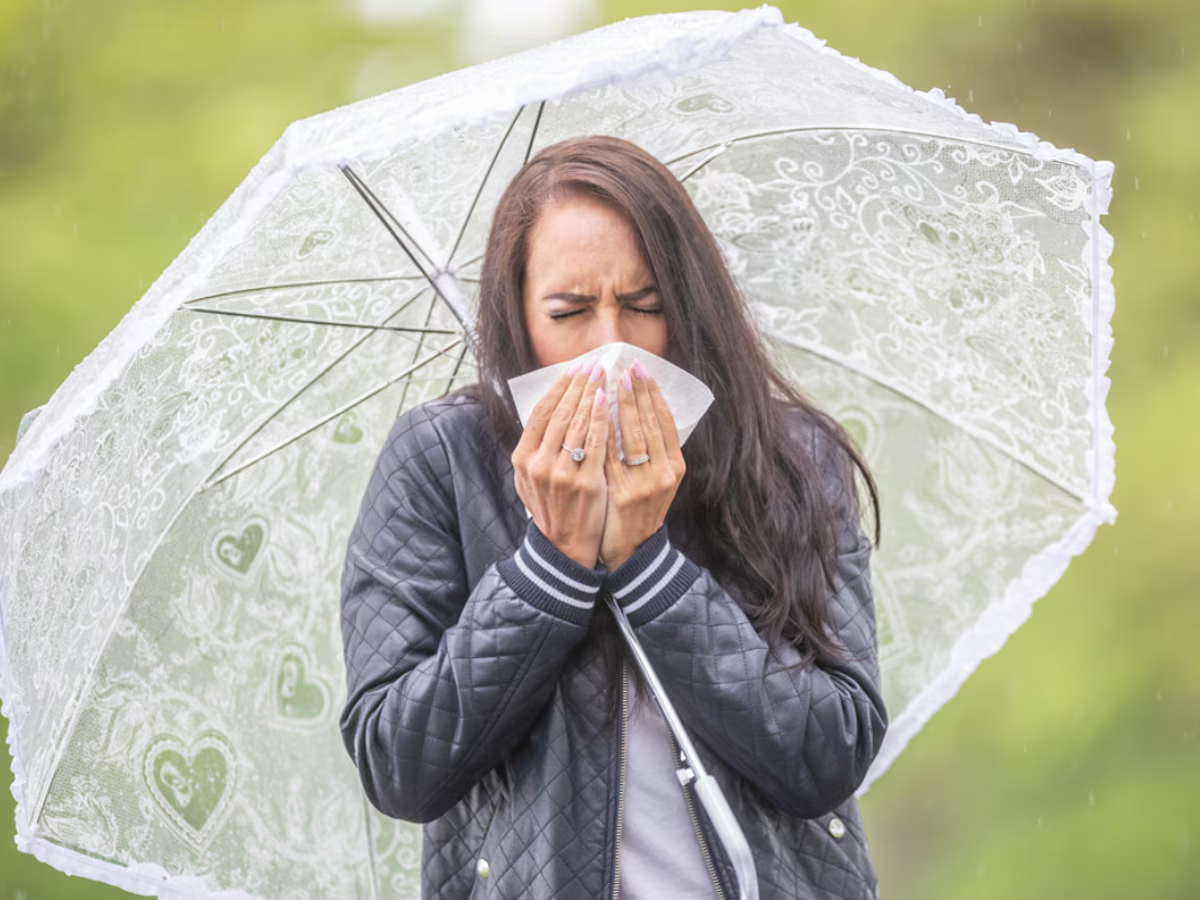
Fluctuations in ambient temperature weaken the body’s immune defenses, leaving individuals susceptible to respiratory viruses.
-
Key Symptoms: Sore throat, continuous sneezing, runny nose, dry or productive cough, and mild-to-moderate fever.
D. Fungal and Dermatological Infections
Wearing damp clothes, walking through dirty rainwater, and excessive sweating create ideal conditions for skin infections.
-
Key Symptoms: Ringworm, persistent itching, eczema flare-ups, and athlete’s foot (fungal infection between the toes).
2. Dietary Precautions and Safe Drinking Water
Digestion tends to slow down during the monsoon due to changes in humidity and physical activity levels. Maintaining digestive health requires extra attention to what you eat and drink.
| Food Category | Recommended Practices | Practices to Avoid |
| Drinking Water | Boil water for 10–15 minutes or use a reliable RO/UV filter. | Consuming unfiltered tap water or ice made from unverified sources. |
| Main Meals | Freshly prepared, warm, light, and easily digestible home-cooked meals. | Stale food, street food, and deep-fried or overly oily dishes. |
| Fruits & Vegetables | Thoroughly washed, peeled fresh fruits and cooked vegetables. | Pre-cut fruits sold in the open or unwashed raw leafy greens. |
Nutritionists’ Core Recommendations:
-
Maintain Proper Hydration: Thirst signals may decrease in cooler weather, but the body still requires adequate fluids. Drink at least 8 to 10 glasses of boiled or purified water daily.
-
Boost Immunity with Vitamin C: Incorporate citrus fruits such as lemons, oranges, Indian gooseberry (amla), and guavas into your diet to support immune defenses.
-
Incorporate Herbal Infusions: Herbal teas made with ginger, tulsi (holy basil), cloves, black pepper, and cinnamon help soothe the throat and bolster immunity.
-
Choose Light Foods: Heavy, oily meals burden the digestive system. Opt for soups, khichdi, lentils, and steamed vegetables.
3. Mosquito Control and Environmental Hygiene
Preventing mosquito breeding is the most effective line of defense against dangerous vector-borne infections.
-
Eliminate Stagnant Water: Inspect rooftops, balconies, flowerpots, AC drain trays, old tires, and coconut shells. Ensure no water remains standing for more than three days.
-
Wear Protective Clothing: When stepping outdoors, wear loose-fitting, light-colored clothes that cover your arms and legs fully.
-
Use Mosquito Nets: Sleeping under a mosquito net remains one of the safest and most reliable ways to avoid bites, both day and night.
-
Apply Repellents: Apply dermatologist-approved insect repellent creams or sprays to exposed skin before heading outside.
4. Personal Hygiene and Daily Habits
Practicing good personal hygiene minimizes the risk of carrying microbes into your home and body.
-
Frequent Handwashing: Wash your hands thoroughly with soap and water for at least 20 seconds before meals, after returning from outdoors, and after using the restroom.
-
Change Damp Clothes Promptly: If you get soaked in the rain, change into dry clothing and footwear immediately. Remaining in wet clothes increases the risk of hypothermia, fungal infections, and respiratory issues.
-
Warm Showers: Showering with warm water after getting wet in the rain helps normalize body temperature and washes away contaminants picked up from rainwater.
-
Foot Care: Keep your feet clean and completely dry. Avoid closed leather shoes that retain moisture; instead, select breathable or quick-drying footwear. Wash your feet with an antiseptic solution after coming into contact with rainwater.
5. Special Care for Children and the Elderly
Children and elderly individuals often have more sensitive immune systems and require tailored care during the monsoon season.
-
For Children: Ensure they carry raincoats and umbrellas to school. Prevent them from playing in stagnant puddles, which are often heavily contaminated. Encourage regular handwashing and provide nutritious, home-cooked snacks instead of processed foods.
-
For the Elderly: Ensure living spaces are well-ventilated to prevent mold growth, which can aggravate asthma and chronic respiratory issues. Serve them lukewarm water throughout the day, and encourage gentle indoor physical activity to keep joints mobile and alleviate arthritis pain.
6. When to Consult a Medical Professional
While mild seasonal colds often resolve on their own, certain warning signs warrant immediate medical evaluation:
High fever (102°F–104°F) lasting longer than two to three days.
Severe body aches, persistent vomiting, or signs of extreme dehydration.
Bleeding from the gums, nose, or in stools (a critical warning sign of severe dengue).
Yellowing of the eyes or skin (indicative of jaundice or liver dysfunction).
Unbearable abdominal pain or difficulty breathing.
Important Note: Avoid self-medicating with antibiotics or strong painkillers without a doctor’s explicit prescription. Misusing medications during conditions like dengue can lead to severe complications.
The monsoon season brings renewed life to nature, but it also calls for heightened health awareness. By taking proactive steps—such as drinking clean water, eating fresh meals, keeping surroundings free of stagnant water, and maintaining daily hygiene—you can effectively safeguard yourself and your family. Stay informed, take sensible precautions, and enjoy a safe, healthy rainy season!
Read More: National Flag Day: July 22- The Historic Birth of India’s Sovereignty and the Tricolor National Flag